



(How Far And How Well)
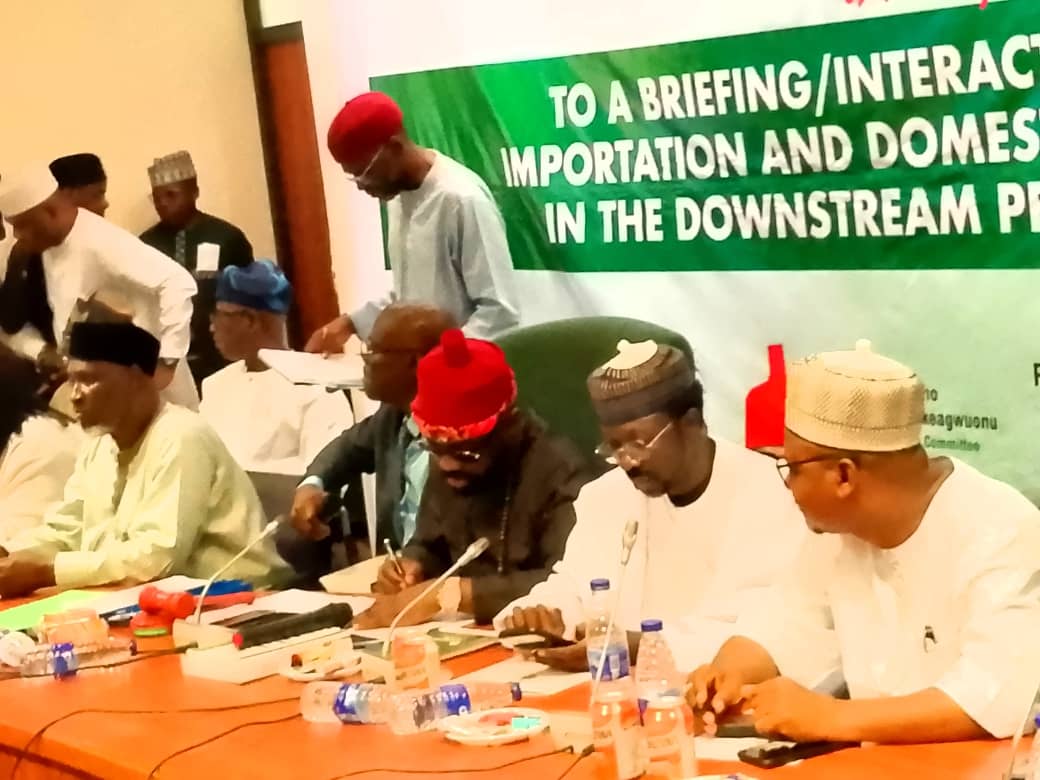
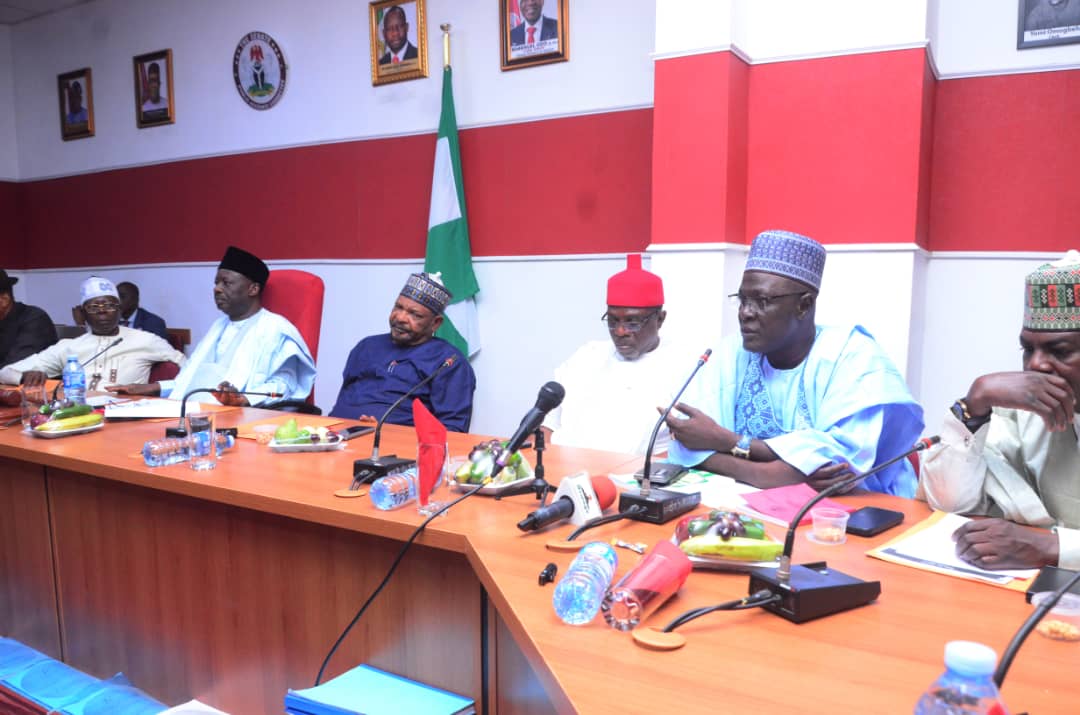
*13 June 2025:* Today marks the second anniversary of the inauguration of Nigeria’s 10th National Assembly. As the legislature reaches this mid-term milestone, its effectiveness in fulfilling its core constitutional mandates, lawmaking, representation, and oversight, faces heightened public and expert evaluation.
*Legislative Output and Oversight Activities*
The Assembly has maintained an active legislative agenda, passing numerous bills and conducting oversight functions aimed at ensuring governmental accountability. Key developments include:
* *Substantive Legislation:* Enactment of bills targeting critical national priorities, notably in economic reform, security enhancement, and social welfare.
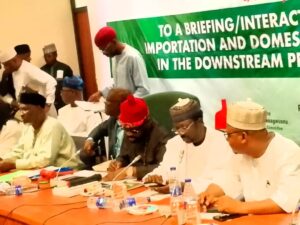
* *Oversight Mechanisms:* Parliamentary committees have initiated investigations and public hearings into executive branch activities, seeking to enforce transparency and address public concerns regarding governance.
*Persistent Challenges And Public Criticism*
Despite these activities, the Assembly’s performance is met with significant critique and faces operational hurdles:
* *Legislative Delays:* Critical bills have encountered protracted debates, procedural bottlenecks, or partisan disagreements, impeding progress on urgent national issues.
* *Constituency Disconnect:* Public sentiment reflects dissatisfaction, with many citizens reporting unmet expectations regarding tangible improvements in economic stability, security, and quality of life. Questions persist about the Assembly’s efficacy in translating legislative activity into measurable public benefit.
* *Perceived Accountability Gaps:* Criticisms often focus on the perceived leniency or inconsistency of oversight efforts, particularly concerning high-profile allegations of executive branch mismanagement or corruption.
*Expectations for the Remainder of the Term*
Entering its final two years, public and stakeholder expectations for the 10th Assembly are clear:
1. *Accelerated & Impactful Lawmaking:* Expedited passage of priority legislation demonstrably linked to solving Nigeria’s most pressing challenges (economic diversification, insecurity, infrastructure).
2. *Robust and Credible Oversight:* More assertive, transparent, and outcome-driven scrutiny of the executive branch, ensuring greater accountability for public resources and policy implementation.
3. *Enhanced Constituency Engagement:* Systematic mechanisms for legislators to actively solicit, incorporate, and report back on constituent feedback within the legislative process.
4. *Transparency in Operations:* Improved public access to legislative proceedings, voting records, and committee reports to bolster trust.
*Conclusion*
The first half of the 10th National Assembly’s term presents a complex picture. While procedural activity is evident, the tangible impact of its work on national development and citizen welfare remains a subject of intense debate. The coming two years represent a critical window for the Assembly to demonstrate its capacity as an effective agent of governance reform and public accountability. Independent assessments, such as the forthcoming evaluation by the HallowMace Foundation, will provide crucial benchmarks for measuring legislative effectiveness and identifying pathways for improvement. The Assembly’s response to these expectations will be pivotal in defining its legacy.
Sunny Anderson Osiebe
Executive Director
HallowMace Foundation Africa