












By David Okoh
The Senate Public Accounts Committee (SPAC) has issued a one-week ultimatum to the external auditors of the Nigerian National Petroleum Company Limited (NNPCL), directing them to provide comprehensive explanations and supporting documentation for more than ₦210 trillion in unreconciled figures contained in the company’s audited financial statements.
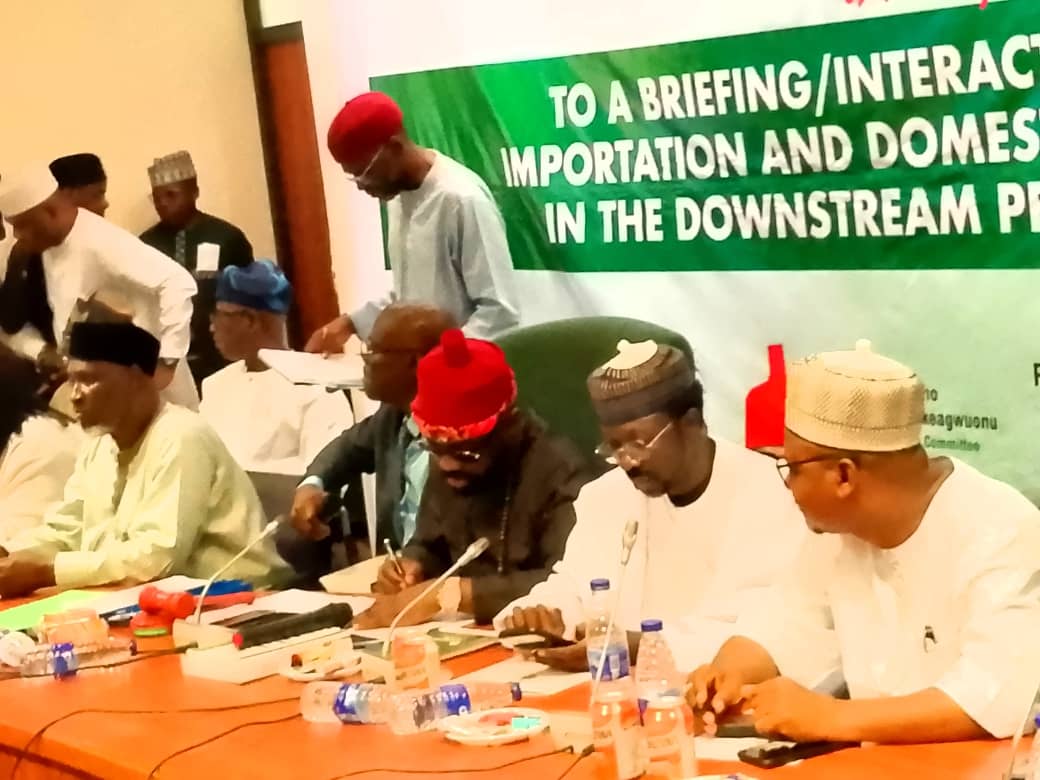
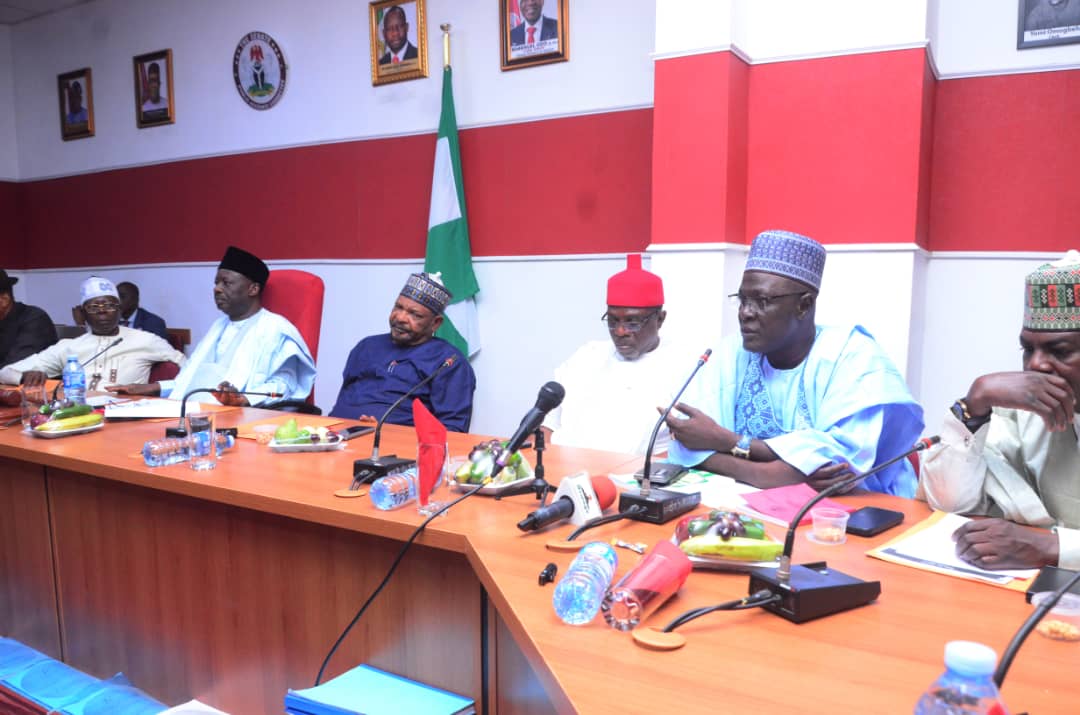
The directive was issued during a tense investigative hearing chaired by Senator Ibrahim Dankwambo, where members of the committee insisted that auditors who certified the financial statements must take responsibility for defending the figures contained in the reports.
The committee rejected repeated attempts by the audit firm to defer questions to the management of NNPCL, maintaining that once auditors sign off on an organisation’s financial statements, they become professionally accountable for the accuracy, completeness and integrity of the accounts.
At the centre of the controversy are two major entries in NNPCL’s audited financial statements: over ₦107 trillion recorded as receivables and another ₦103 trillion listed as payables. Together, the amounts exceed ₦210 trillion, raising serious concerns among lawmakers over the absence of detailed explanations to support the figures.
During the hearing, members of the committee noted that neither NNPCL nor its external auditors had provided schedules identifying the transactions, counterparties, calculations or other supporting details used in arriving at the enormous sums reflected in the audited accounts.
The committee maintained that financial statements of such magnitude must be accompanied by detailed schedules and documentation to enable Parliament discharge its constitutional oversight responsibility over public institutions and government-owned enterprises.
Responding to lawmakers’ questions, representatives of the external audit firm informed the committee that the detailed schedules formed part of their audit working papers.
They requested approximately two weeks to retrieve the relevant documents and make them available to the committee.
However, the request was firmly rejected.
Chairman of the committee, Senator Ibrahim Dankwambo, questioned why auditors who had already certified the financial statements could not immediately produce the schedules backing the figures they had endorsed.
He argued that the purpose of an audit is to independently verify financial records before expressing an opinion on them, adding that the committee expected the auditors to have easy access to the supporting documentation.
“When you have figures in audited financial statements, there must be schedules showing exactly how those figures were derived. If those schedules already exist in your working papers, why do you need additional time before presenting them to this committee?” Dankwambo asked.
The chairman stressed that Parliament was not asking the auditors to generate fresh information but merely to produce documents that should already exist as part of the audit process.
In their defence, representatives of the audit firm maintained that NNPCL remained their client and argued that detailed explanations regarding the figures should ordinarily come from the company itself.
They reminded lawmakers that during an earlier engagement, the committee had agreed that officials of NNPCL would provide explanations on the company’s financial statements, including the receivables and payables under scrutiny.
The auditors therefore suggested that questions relating to the underlying transactions be directed primarily at the management of the national oil company.
That argument, however, failed to convince members of the committee.
Lawmakers insisted that the responsibility of external auditors extends beyond merely reviewing financial statements. Having certified the accounts as presenting a true and fair view of the company’s financial position, they said the auditors were duty-bound to explain the basis upon which they reached that conclusion.
Members further argued that the certification of audited accounts carries significant professional and legal responsibility, especially where the figures involved run into hundreds of trillions of naira.
The committee also rejected any suggestion that commercial confidentiality could prevent Parliament from obtaining detailed financial information relating to NNPCL.
Lawmakers noted that despite operating under the Petroleum Industry Act, NNPCL remains wholly owned by the Federal Government on behalf of the Nigerian people and therefore remains fully accountable to the National Assembly.
According to members of the committee, constitutional oversight powers granted to Parliament cannot be overridden by confidentiality agreements between auditors and their clients.
One lawmaker stated that NNPCL does not belong to private shareholders but to Nigerians, making transparency and accountability imperative.
“NNPCL belongs to the Nigerian people, not to private shareholders. Parliament has every constitutional right to examine its accounts, and no confidentiality agreement can override that responsibility,” the lawmaker declared.
The committee emphasised that public confidence in the country’s financial management depends largely on the credibility of audited financial statements submitted by government-owned entities.
Members warned that unexplained figures of such magnitude could undermine confidence in public financial reporting if they are not properly clarified.
Following extensive deliberations, the committee discharged the auditors from the session but directed them to return within one week with comprehensive schedules and documentation explaining the disputed figures.
The lawmakers made it clear that the next appearance must include detailed breakdowns of the ₦107 trillion receivables and ₦103 trillion payables, including supporting schedules, transaction records, counterparties and other documents relied upon during the audit.
The committee maintained that only a thorough explanation backed by documentary evidence would enable lawmakers to properly scrutinise the financial statements and determine whether the accounts accurately reflect the financial position of NNPCL.
The hearing forms part of the Senate Public Accounts Committee’s ongoing examination of the financial records of government-owned enterprises with the objective of promoting transparency, accountability and prudent management of public resources.
With the one-week deadline now in place, attention will shift to the auditors’ next appearance before the committee, where lawmakers expect detailed explanations capable of resolving concerns surrounding the more than ₦210 trillion in unreconciled figures contained in NNPCL’s audited financial statements.